Indian weddings have always been shaped by traditions passed down through generations. From the haldi ceremony to the wedding pheras, each ritual carries its own meaning and brings families together. However, the way weddings are celebrated is changing. Couples today want ceremonies that honour their customs while reflecting their personalities, preferences and lifestyles.
This has created a balance between tradition and modernity. Rather than leaving old customs behind, many families are finding new ways to include them in their celebrations. Traditional Indian wedding rituals continue to hold their place, even as the settings and experiences around them evolve.
Why Traditional Wedding Rituals Still Matter
Wedding rituals are an important part of Indian culture. They bring families together, mark significant moments and offer a sense of continuity between generations. For many couples, these customs make the occasion feel complete.
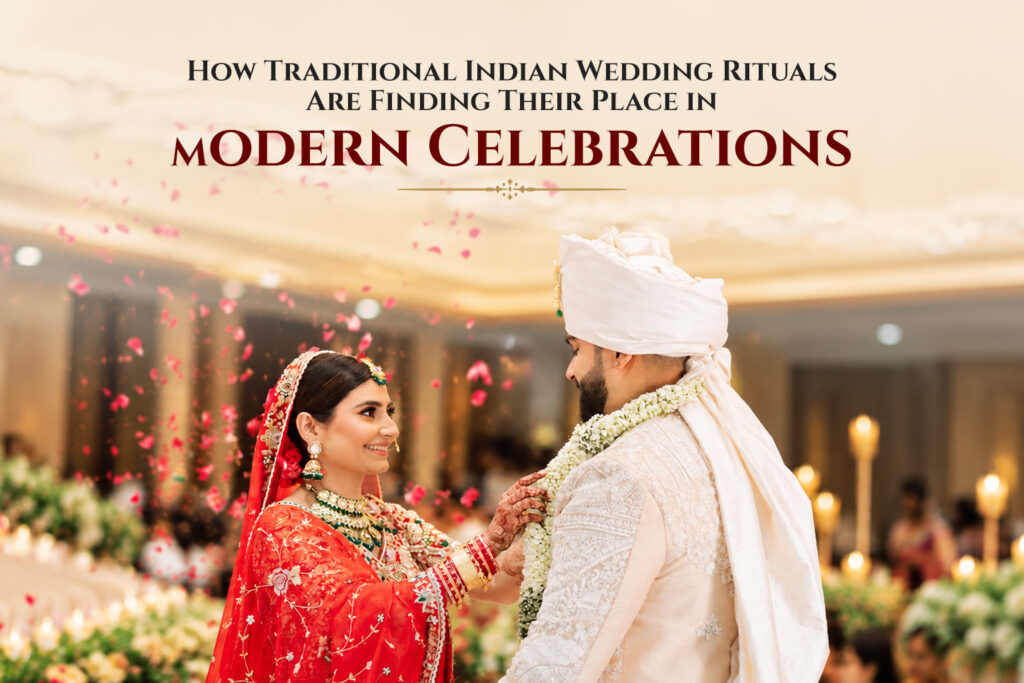
The haldi ceremony, for instance, gives relatives and friends a chance to share in the excitement before the wedding. Wedding pheras hold deep significance for the couple, while blessings from elders make the occasion more personal. These moments carry memories and values that go beyond the wedding day itself.
Even as modern preferences influence wedding planning, families continue to make room for the customs that matter to them. The meaning behind a ritual often matters far more than how it is presented.
How Modern Indian Weddings Are Reimagining Traditions
One of the biggest changes in modern Indian weddings is the freedom to personalise celebrations. Couples are combining familiar customs with ideas that reflect their tastes, creating occasions that feel traditional yet individual.
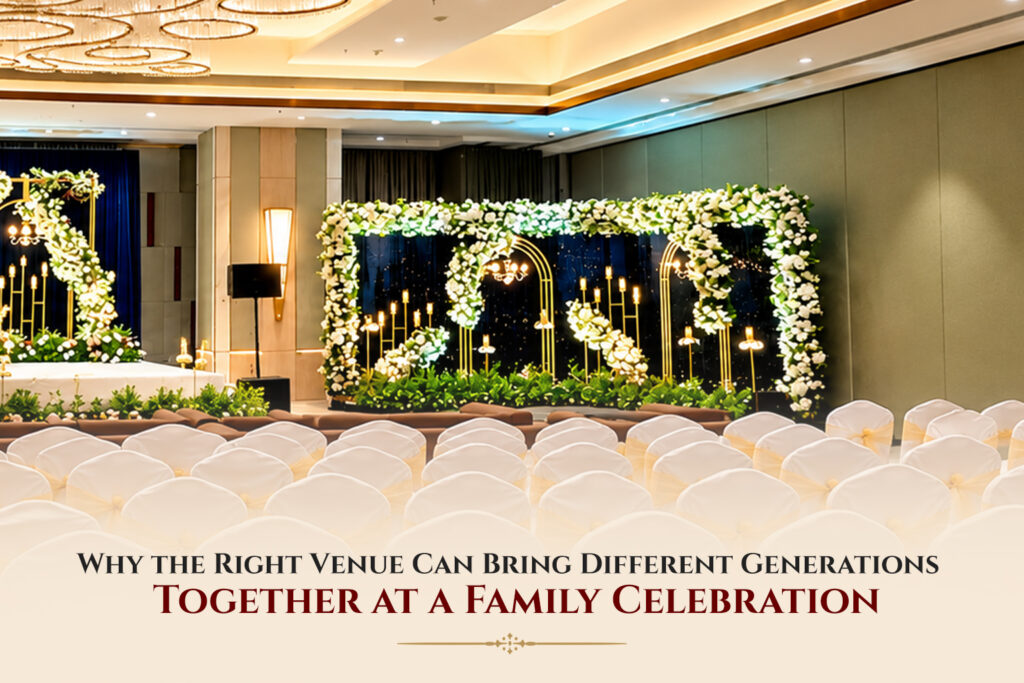
Decor is one example. A haldi ceremony may feature fresh flowers, coordinated colours and a carefully arranged setting while retaining the familiar rituals at its heart. Wedding mandaps can also take on contemporary designs without changing the customs performed beneath them.
Music is evolving in a similar way. Traditional songs may feature alongside contemporary playlists at a sangeet, bringing different generations onto the dance floor. Families can also include personal touches, such as favourite songs, family performances or meaningful details that reflect their journey together.
These changes show that modern Indian weddings do not need to follow a single style. Each couple can decide which elements to retain, adapt or introduce, while respecting the traditions that are important to their families.
Bringing Different Generations Together
A wedding often brings together people with different expectations. Older family members may value customs that have been followed for decades, while younger couples may want greater flexibility in how their celebrations are organised.
Finding common ground begins with understanding what each ritual means to the family. Couples can discuss which customs they wish to preserve and how these can fit into the wedding schedule. This allows important traditions to receive the time and attention they deserve without making the celebrations feel overwhelming.
Clear planning also helps everyone enjoy the occasion. Allowing enough time between ceremonies, keeping guests informed and considering the needs of older relatives can make a meaningful difference. When the arrangements are thoughtful, families can focus on the experience rather than the practical details.
Ultimately, a wedding becomes more personal when it makes space for both family traditions and the couple’s own choices.
Choosing a Venue That Supports Every Celebration
The venue plays an important role in bringing wedding plans together. Different ceremonies have different requirements, from space for guests to comfortable surroundings where family members can spend time together.
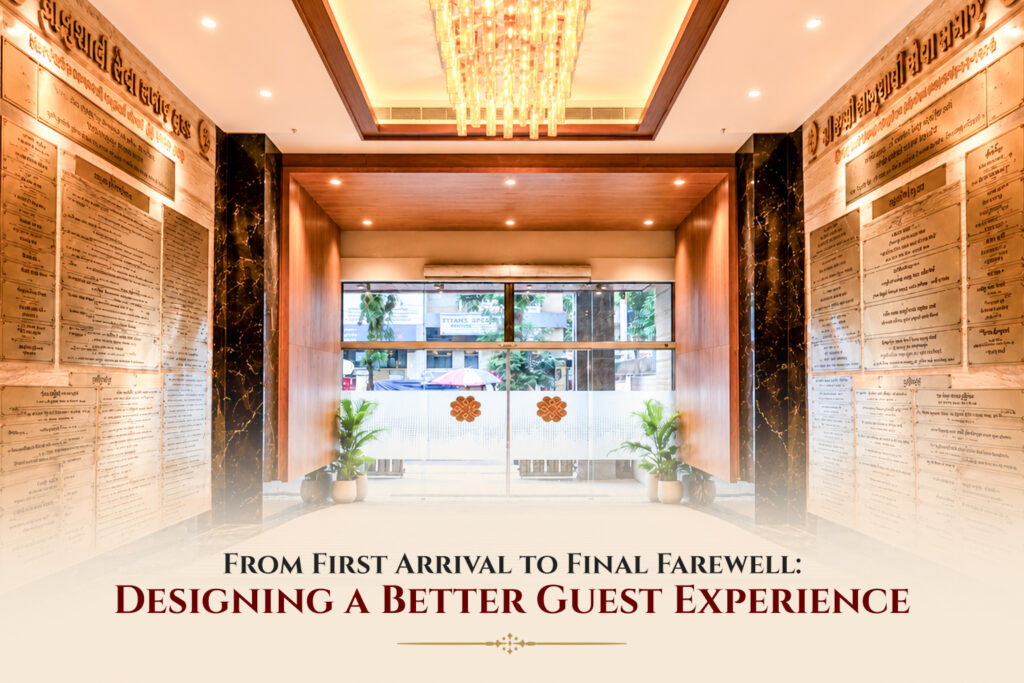
When choosing a banquet hall in Mumbai, families can consider the expected guest count, location, accessibility, parking and facilities available at the venue. Air-conditioned halls can help guests remain comfortable during long ceremonies, while green rooms offer the wedding party a private space to prepare. Convenient transport links can also make attending the celebration easier for relatives travelling from different parts of the city.
Food is another important consideration, particularly for families with specific dietary preferences. Choosing a venue that understands these requirements can help make guests feel welcome.
Bhanushali Banquets offers spaces for weddings and related celebrations, with facilities designed around guest comfort and convenience. Its banquet halls, green rooms and parking facilities provide practical support for families planning their special occasions. Pure vegetarian and Jain cuisine is also available, catering to families who prefer these options.
Selecting a suitable venue helps bring the different parts of a wedding together, giving families room to celebrate traditions in a way that feels right for them.
Keeping Traditions Meaningful in Modern Celebrations
The way Indian weddings look and feel may continue to change, but the customs that connect families remain important. Couples can embrace contemporary ideas without giving up the rituals that reflect their cultural background and personal values.
The key is to make thoughtful choices. By understanding the significance of each ceremony, respecting family preferences and planning the practical details carefully, couples can create wedding celebrations that feel both personal and meaningful.
After all, a memorable wedding is not defined by how closely it follows the past or how much it embraces new trends. It is shaped by the people, customs and shared moments that make the occasion special. With the right planning and a venue that meets their needs, families can honour their traditions while celebrating the beginning of a new chapter.